Trinket Boxes: Together Against the Weight of the World
Giving creates connection. That could be the motto of a new viral trend, one that started on TikTok and has now made its way to the heart of Berlin, at Potsdamer Platz
Giving creates connection. That could be the motto of a new viral trend, one that started on TikTok and has now made its way to the heart of Berlin, at Potsdamer Platz
Imagine you're in the middle of a busy city. Hundreds, thousands of people surround you, blurring into one anonymous crowd. Then something catches your eye: a small box. It stirs a childlike curiosity you thought you'd long outgrown. You open it. Inside are tiny, colorful little treasures and an invitation. Take something. Just leave something of your own behind.
This small everyday wonder is going viral under the name "trinket box," literally a little case for keepsakes and small jewelry. In practice, it describes micro-spots around the world where strangers swap personal items with each other. A favorite keychain, a stuffed animal, a notebook. Anything goes, as long as it has the power to make someone's day and fits in the box.
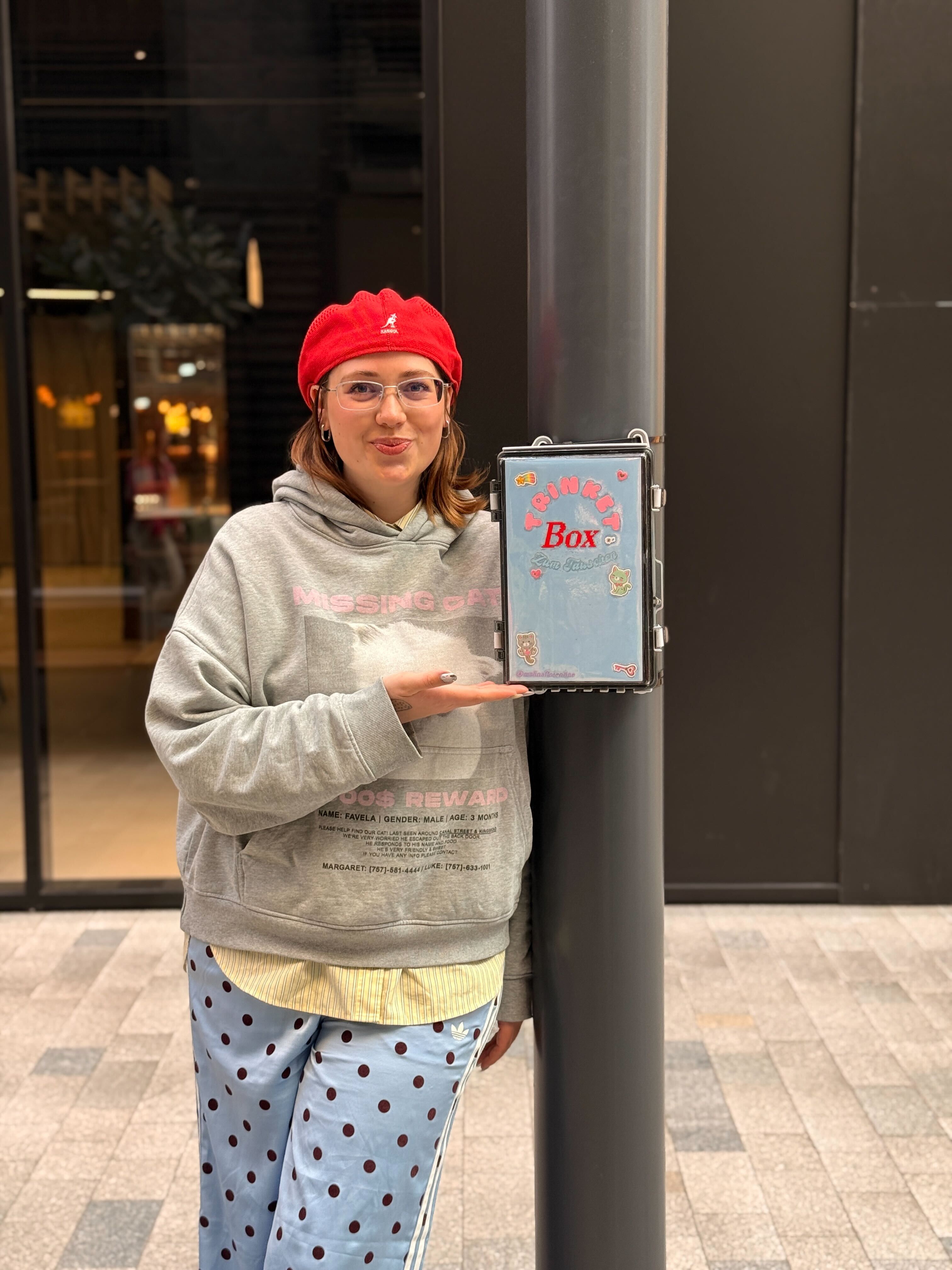
One of the pioneers of this movement in Germany is Malina Florentine Sternberg. She launched Berlin's first trinket box, driven by her own love of collectibles and small objects that make everyday life feel a little more magical. She wants to bring that feeling to a whole new audience.
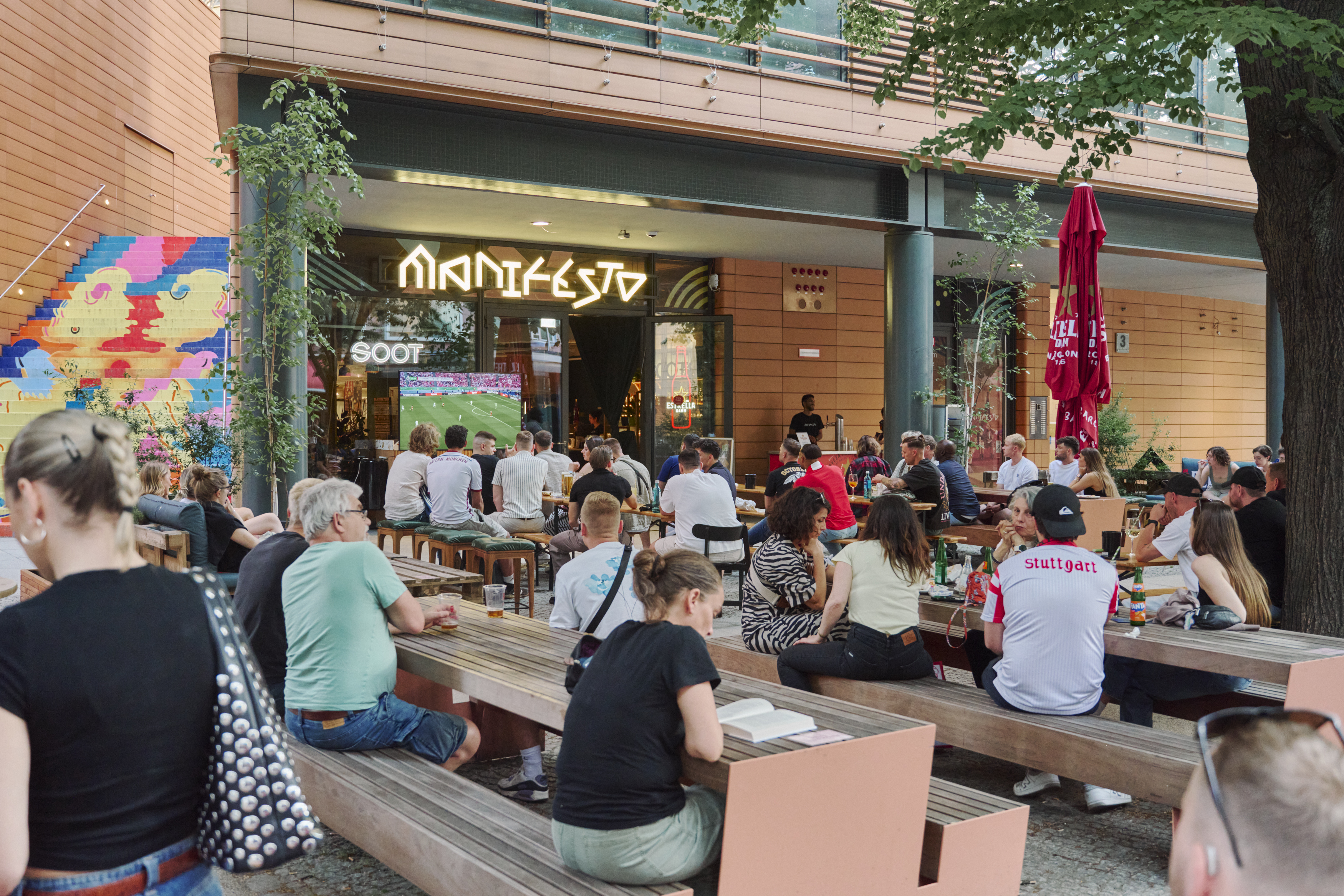
"Younger generations in particular are craving an offline connection," Malina explains in one of her TikToks. That's exactly why her latest trinket box is located right in the center of Berlin, at The Playce on Potsdamer Platz. On the ground floor, across from Manifesto Market, you can go on your own little treasure hunt daily between 6am and 11pm.
The timing is no accident. Many of us are longing for connection and closeness. Technology bridges distances, but it can't create the kind of spontaneous encounters that happen in real life. We live surrounded by people, scroll past hundreds of potential contacts every minute online, and still feel increasingly alone.
Trinket boxes are windows into someone else's world. For a moment, they give us a sense of community and neighborliness, with no agenda other than making each other happy. They remind us that people are, at heart, good. Even when the headlines suggest otherwise and the news feels suffocating.
There's also something to be said for the objects themselves: small, playful things nobody really needs, yet somehow make daily life a little brighter and more colorful. It's a clear departure from the perfectionist minimalism that shaped a generation's choices for so long. The Marie Kondo era, reducing life to the bare essentials, is fading. Whimsy and a love of the playful and imaginative are back.
Whether you make your trinkets yourself, buy them, or receive one from a stranger, there's magic in the everyday. "Giving something to others, but also getting something back in return, naturally triggers so many feelings of joy," says Malina. "And I think right now, we could all really use that."
Photo credits: Malina Florentine Sternberg

Get inspiration, the latest news on new openings, information on our event program, competitions and much more in our newsletter. Register now and stay up to date!