Sights
Brandenburg Gate
Berlin’s most famous landmark and a symbol of German reunification
Sights
Berlin’s most famous landmark and a symbol of German reunification
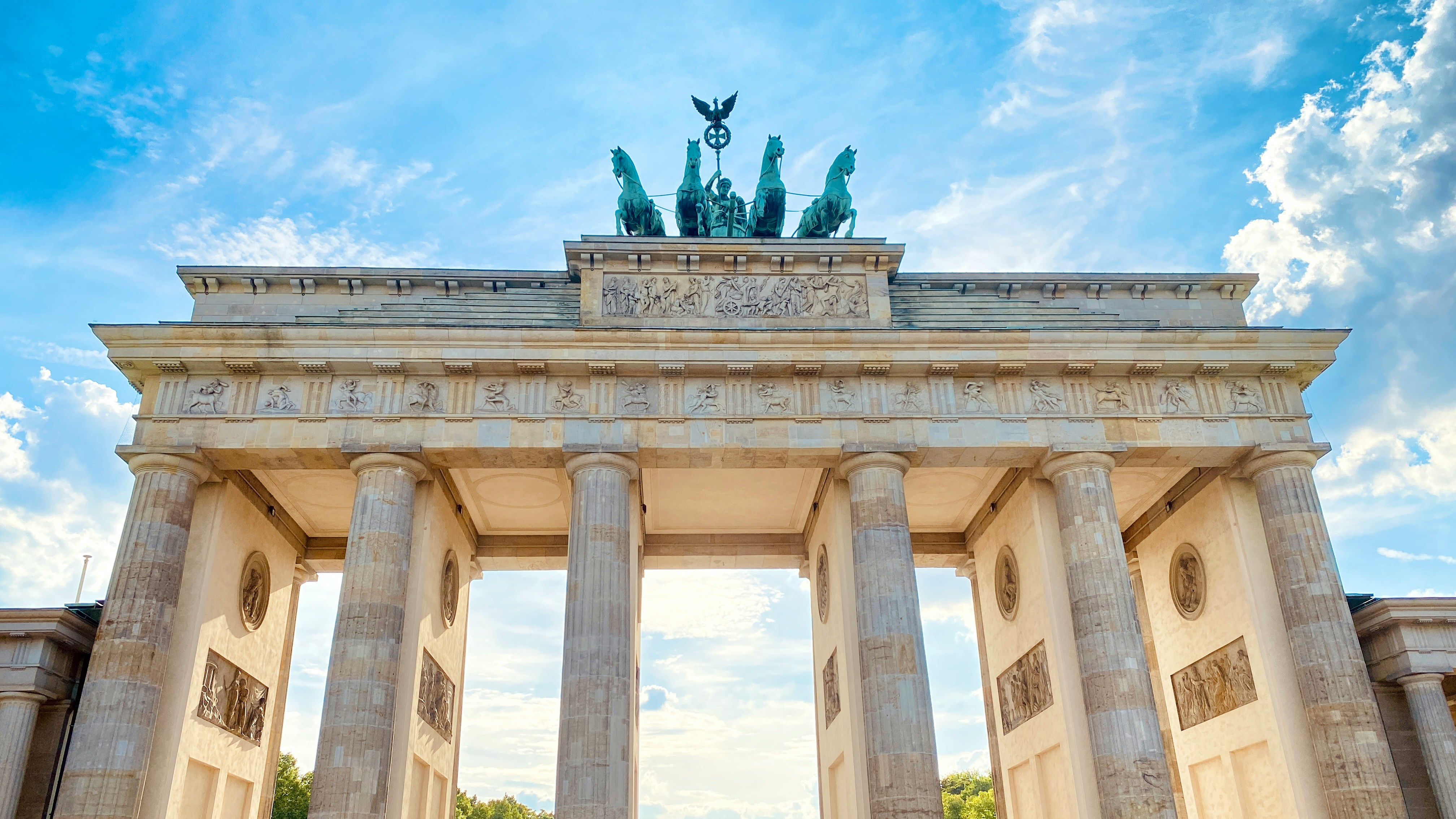
Everyone knows the Brandenburg Gate, as it is THE landmark of Berlin. The gate stands at the western end of Unter den Linden, less than a ten-minute walk from Potsdamer Platz.
The gate was built between 1788 and 1791 by the Prussian King Frederick William II. The architect Carl Gotthard Langhans drew inspiration from the Propylaea in Athens — this can still be seen today in the twelve columns that support the structure. At the top stands the Quadriga: a goddess of victory on a four-horse chariot, looking eastwards towards the city centre.
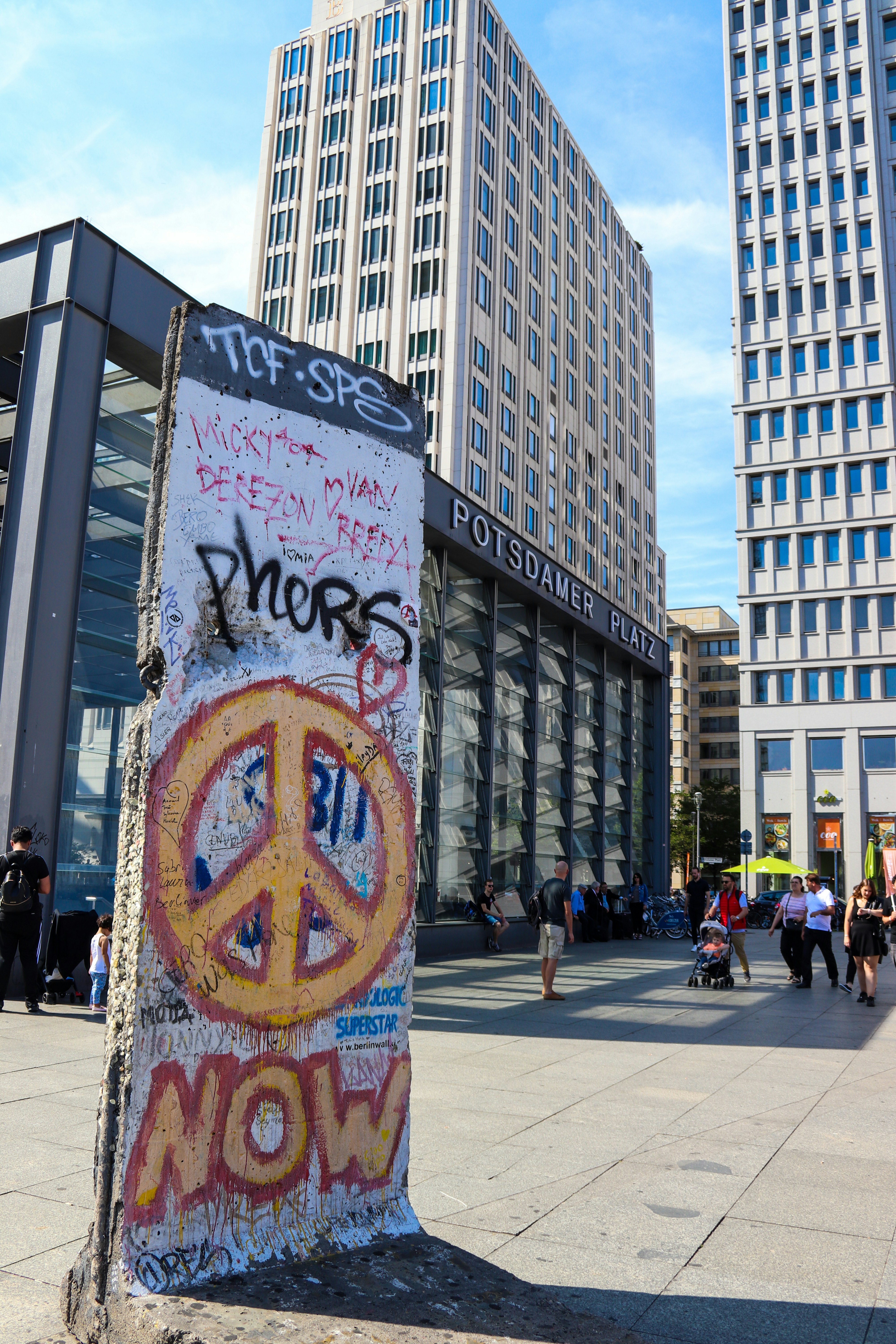
Built as a city gate, it quickly became a symbol. Napoleon had the Quadriga taken to Paris in 1806. Eight years later, it returned. Between 1961 and 1989, it was inaccessible from either side. The Berlin Wall ran directly in front of it, and the Gate disappeared into a no-man’s-land of concrete and barbed wire. East Berlin lay on one side, West Berlin on the other, and the Brandenburg Gate belonged to neither.
On 9 November 1989, the Wall fell. A few weeks later, on 22 December, Chancellor Helmut Kohl ceremoniously opened the Gate. Hundreds of thousands of people gathered in the square.
Today, it is Germany’s most visited landmark. Every day, tourists throng the Pariser Platz in front of it, selfie sticks tower into the air, and on New Year’s Eve, up to a million people dance here to welcome in the New Year. The Gate has survived it all: wars, division, reunification, tourism.
photo credit: Femi Oyekoya via unsplash

Get inspiration, the latest news on new openings, information on our event program, competitions and much more in our newsletter. Register now and stay up to date!